
The Reason Some Owners Get Their Dog Back From Dementia
A Breakthrough Discovery reveals the cellular collapse behind canine dementia — and why some dogs recover when others keep declining


DR. MICHAEL BOAZ – VETERINARIAN NEUROLOGIST • July 31, 2026
You've probably been told the same thing most dog owners hear when dementia sets in.
It's progressive. It's irreversible. The best you can do is keep him comfortable.
And when you're watching your dog pace at 2am, stare at walls, get stuck in corners like he forgot how rooms work... that explanation feels like a door closing.
But here's what that explanation leaves out:
Why it's happening in the first place.
Not "he's old." Not "it's just dementia." The actual cellular reason his brain is failing.
That part matters. Because that's where the difference gets made.
The Cellular Collapse
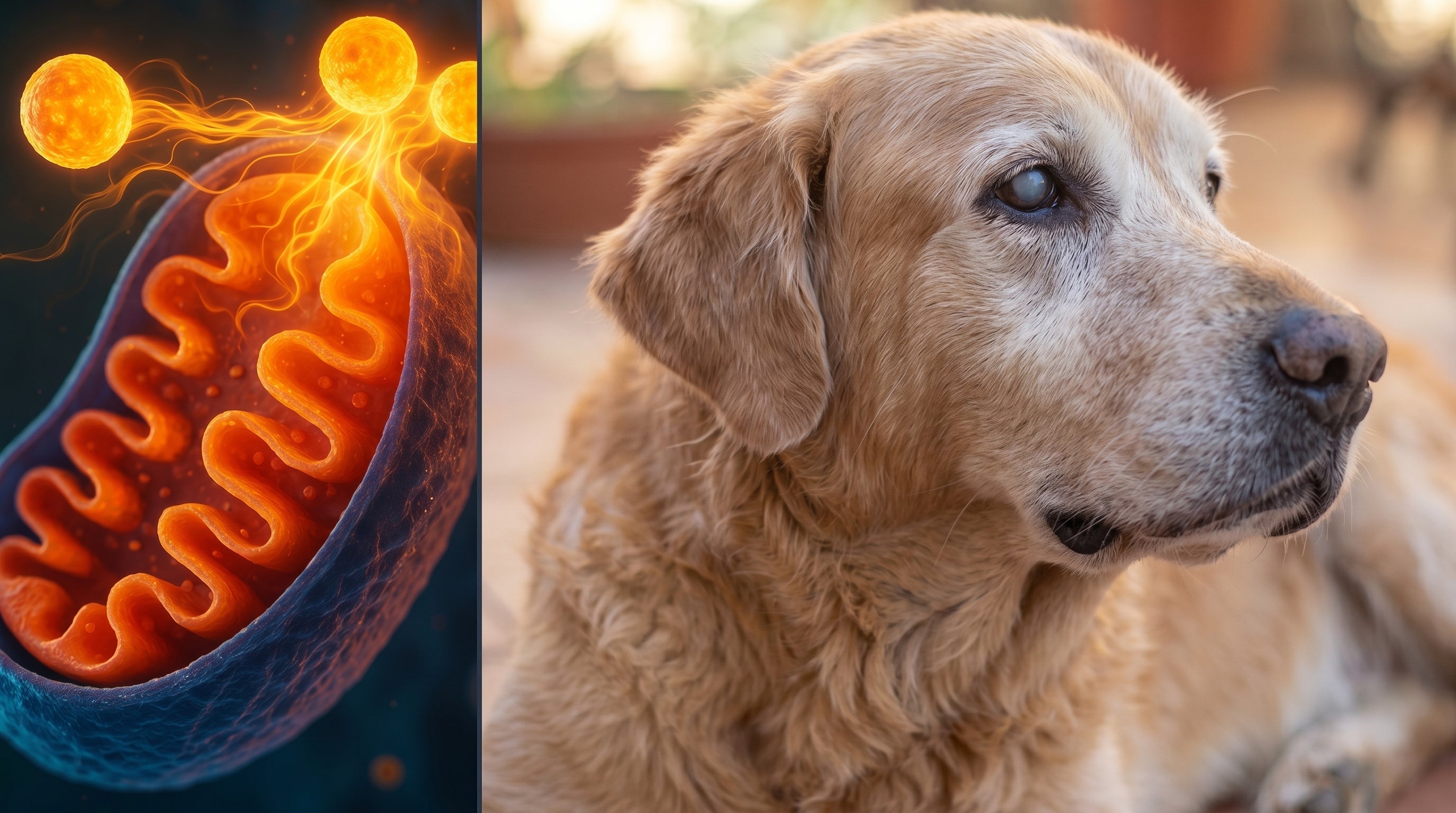
Every neuron in your dog's brain runs on a molecule called NAD+.
It's the fuel source for cellular energy.
It's what allows brain cells to fire signals, form memories, regulate the sleep-wake cycle.
When NAD+ is abundant, the brain works.
But here's the catch:
NAD+ levels start dropping around age 7.
By the time a dog is 10 or older, levels have often fallen by more than 50%.
That's not a small decline. That's the brain trying to run on half power.
And that depletion maps directly onto every symptom you're watching:
The blank staring and confusion — neurons that can't form or retrieve memories because they don't have the energy to complete the process.
Getting stuck in corners — spatial processing requires significant cellular energy. When it's not there, familiar rooms become mazes.
The sundowning and 2am pacing — the pineal gland, which releases melatonin and regulates sleep cycles, is extremely sensitive to NAD+ depletion. When it can't function properly, the circadian rhythm breaks down.
Not responding to his name, not recognizing you — the neural pathways that store familiar faces and voices need energy to activate. At severe depletion, those pathways go quiet.
Every symptom has a cellular explanation.
Which means the process has a root.
And roots can be addressed.
What Your Vet Might Have Offered and Why it Falls Short
If you've spoken to your vet about your dog's symptoms, one of two things probably happened.
Either you were given a set of options to manage the decline, OR you were told some version of "he's just getting old" and sent home with nothing.
Both land in the same place.
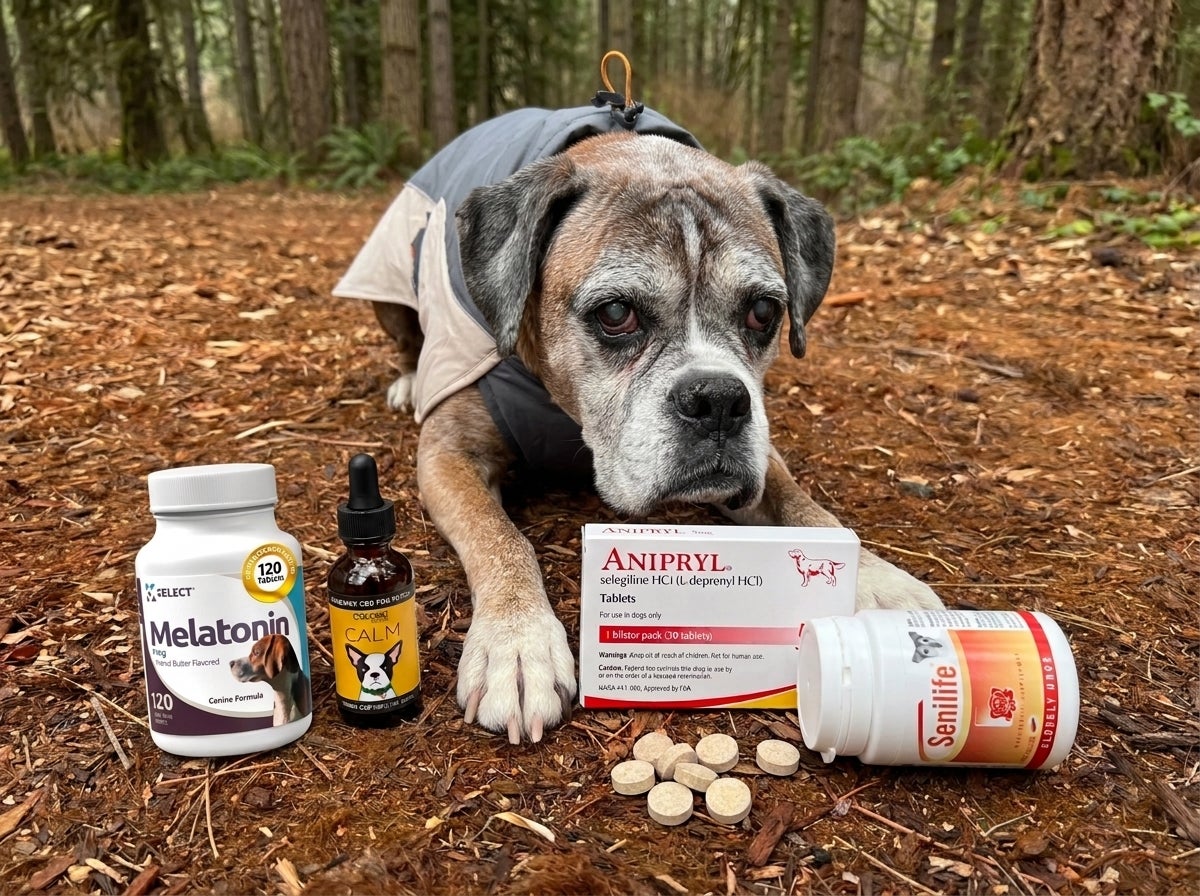
For owners who were offered something, the standard options are:
Selegiline to increase dopamine signaling (Some dog owners found significant improvements in their dogs, but dopamine support and cellular fuel restoration are different processes).
Trazodone or other anti-anxiety medications for behavioral symptoms, omega-3s and antioxidants for inflammation, and melatonin for sleep disruption.
None of this is wrong.
Some dogs respond meaningfully to medication.
But every one of these treatments addresses what the depletion produces (the anxiety, the disrupted sleep, the confusion…) not the 50% collapse in the NAD+ brain cells need to generate energy in the first place.
Medication turns down the smoke alarm. NAD+ restoration addresses the fire.
Why Aren't Vets Talking About This?
This is the question that frustrates dog owners most when they find the recent NAD+ research.
Veterinary training is built around approved treatment protocols, and those protocols update slowly.
NAD+ biology as a clinical intervention for canine cognitive dysfunction hasn't filtered into standard practice yet.
There's no pharmaceutical pathway for it, no drug rep walking into vet offices to explain the research.
So the prescription pad comes out, and owners go home thinking they've done everything they can.
The research exists.
A blinded, placebo-controlled study published in Nature's Scientific Reports documented that senior dogs receiving an NAD+ precursor showed improved cognitive function, more consistent activity levels, and better responsiveness compared to controls.
The owners who found this didn't find it from their vet.
They found it the same way you're finding it now.
By refusing to accept that keeping their dog comfortable was the best they could do.
They kept looking past the first answer, past the prescription, past the forums that said all we can do is make them happy while we still have them.
They're not different from you in any other way. They just didn't stop.
Why NAD+ Alone Isn't Enough
Think of baking bread.
The bread is the finished product.
But you make it from flour, not from bread itself.
NAD+ works the same way.
The body doesn't absorb it well when it's given directly.
The molecule has to survive digestion intact, and in aging dogs with reduced gut absorption efficiency, it often doesn't.
You can give NAD+ and not meaningfully raise levels where it's needed.
The more effective approach is to give the body flour, the raw ingredients it uses to produce NAD+ on its own.
These are called precursors.
There are three of them: NMN, NR, and Niacinamide.
Each is a separate route to the same end product.
The simple principle: the more precursors available, the more NAD+ gets restored.
Most products use one. The formula behind the research uses all three.
The data from 10,000+ dogs using this specific formula shows no reported side effects.
One more thing that most people don't consider: delivery format.
Pills and chews require the precursors to survive digestion intact before anything can be absorbed, and as we mentioned, in aging dogs, that process is already compromised.
Liquid drops with nano-liposomal absorption work differently.
They bypass the digestion barrier entirely, delivering the precursors directly into the bloodstream where they can actually reach the cells that need them.
The formula matters. So does how it gets in.
What to Realistically Expect
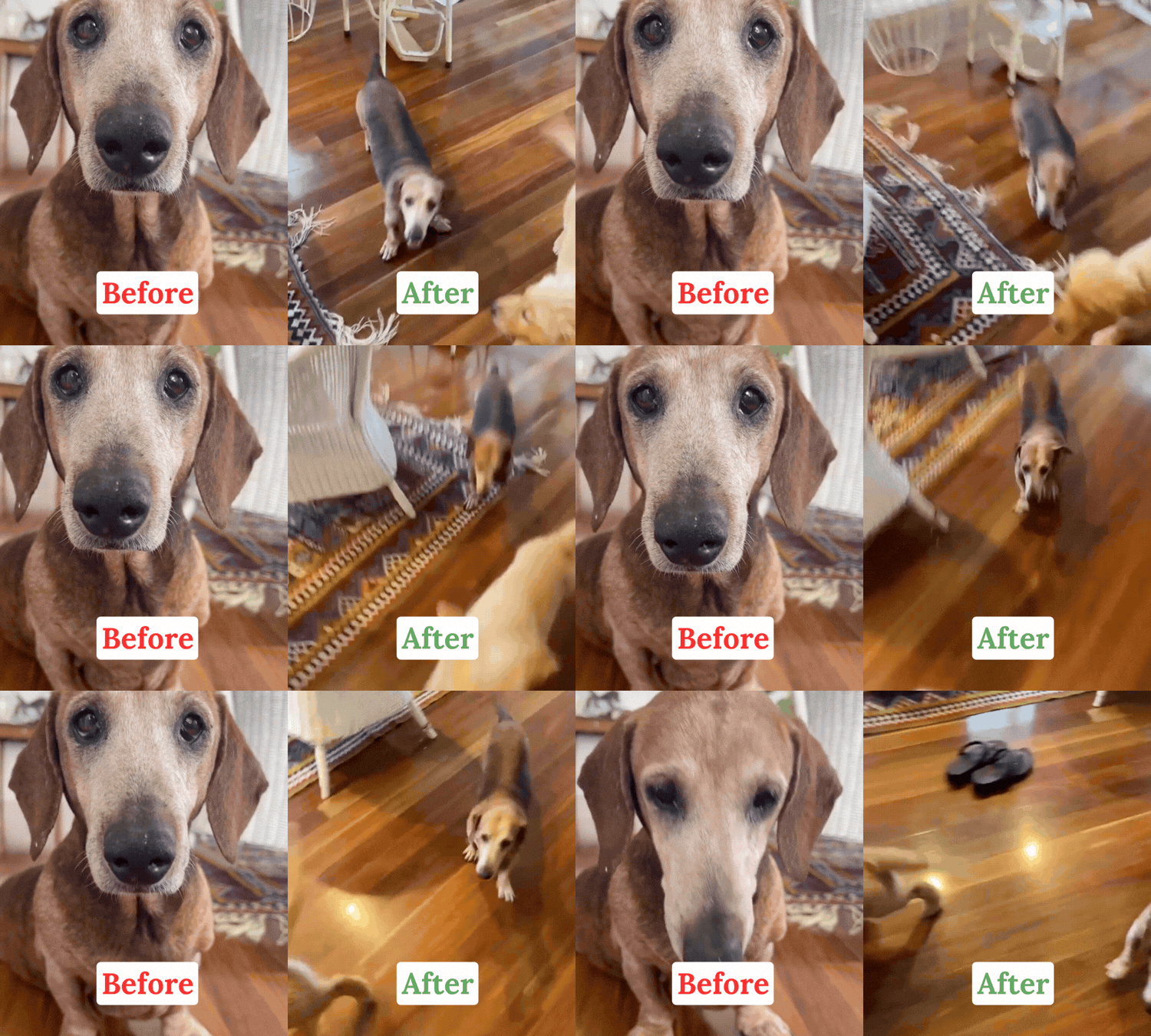
This section matters more than any other, so let me be direct.
NAD+ restoration is not a cure.
The structural changes that have already occurred in your dog's brain (the protein plaques, the neurons already lost) do not reverse.
If your dog's dementia is very advanced, the improvement may be modest.
What NAD+ support does is give the remaining healthy neurons the fuel to function more effectively.
It slows further depletion. It reduces the severity of symptoms that come from cellular energy deficiency.
Which, as we've covered, is most of them.
Here is what the documented outcomes from 10,000+ dogs show by timeline:
Weeks 2–3: Calmer nights. Sundowning episodes shorter or less intense. Some dogs sleep through the night for the first time in months. The cellular energy system is beginning to stabilize.
Weeks 4–6: Recognition starts returning. Dogs begin responding to their name. The blank staring decreases. Corner-getting-stuck happens less frequently. This is when most owners describe the first moment of there he is.
Weeks 7–9: Consistent engagement returning. Waiting at the door. Interest in walks. Moments where the dog's old personality surfaces for longer.
Weeks 10–12: For dogs who used the formula for 3 months. 96% of owners in the documented data report their dog seemed happier and more present. This is when owners say they got their dog back. Not perfectly. The dog is still old, still slower. But present, calm, and recognizing the people they love.
The Formula Dog Owners are Turning To
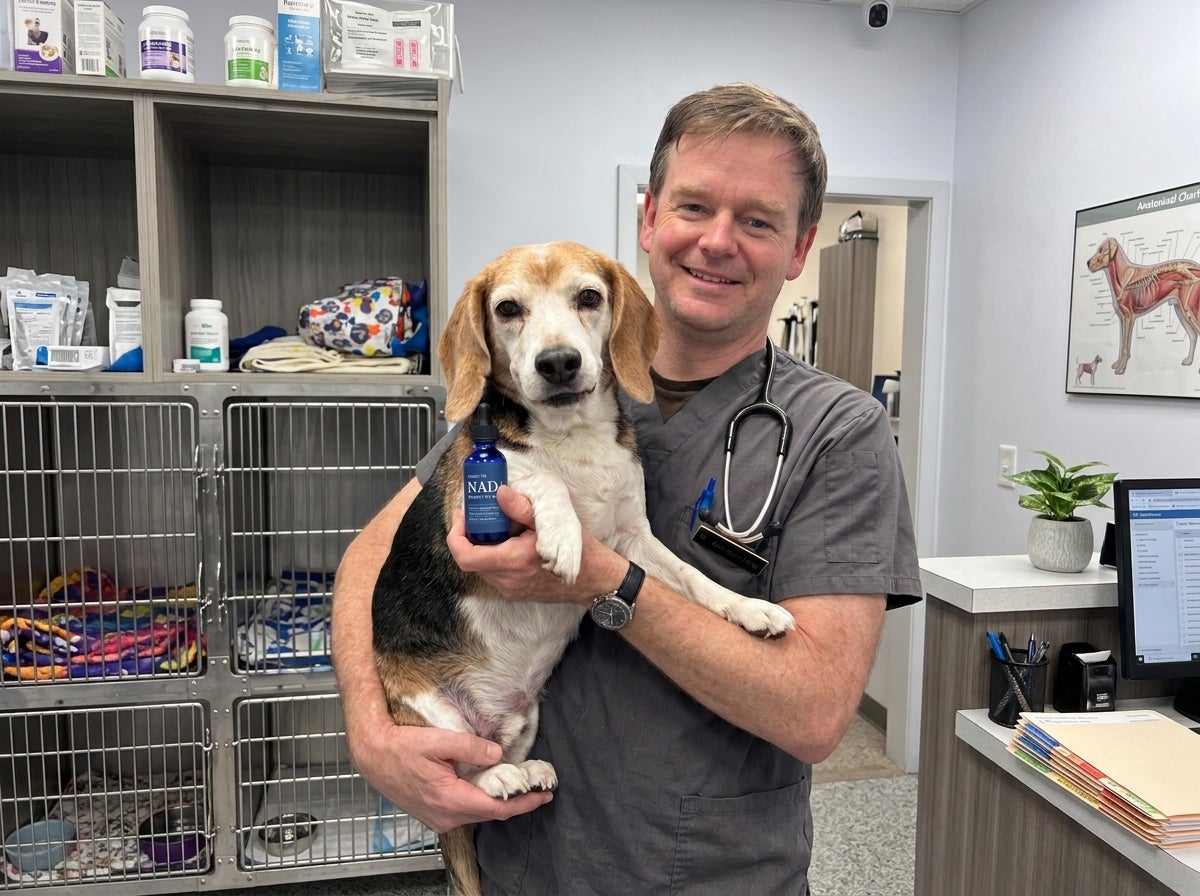
The formula dog owners have been turning to is Furstay & Co’s NAD+.
Built around the same NAD+ precursors studied in the blinded, placebo-controlled trial published in Nature's Scientific Reports, and used by thousands of dogs with dementia.
It's a liquid drop formula. Not a pill, not a chew.
You add drops to your dog's food once daily. Dogs don't notice it.
It contains the full triple precursor stack. NMN, NR, and Niacinamide, all three pathways to NAD+ production, plus CoQ10 and Resveratrol as supporting ingredients.
Developed for canine metabolism, not repurposed from a human formula.
Manufactured in FDA-registered facilities with human-grade ingredients.
The outcomes across 10,000+ dogs: 92% reported calmer nights, 87% improved recognition, 84% less confusion and disorientation.
90-day money-back guarantee. No questions.
If your dog isn't sleeping through the night, having more good days than bad, and showing the changes these owners describe, you pay nothing.
What Owners Are Seeing
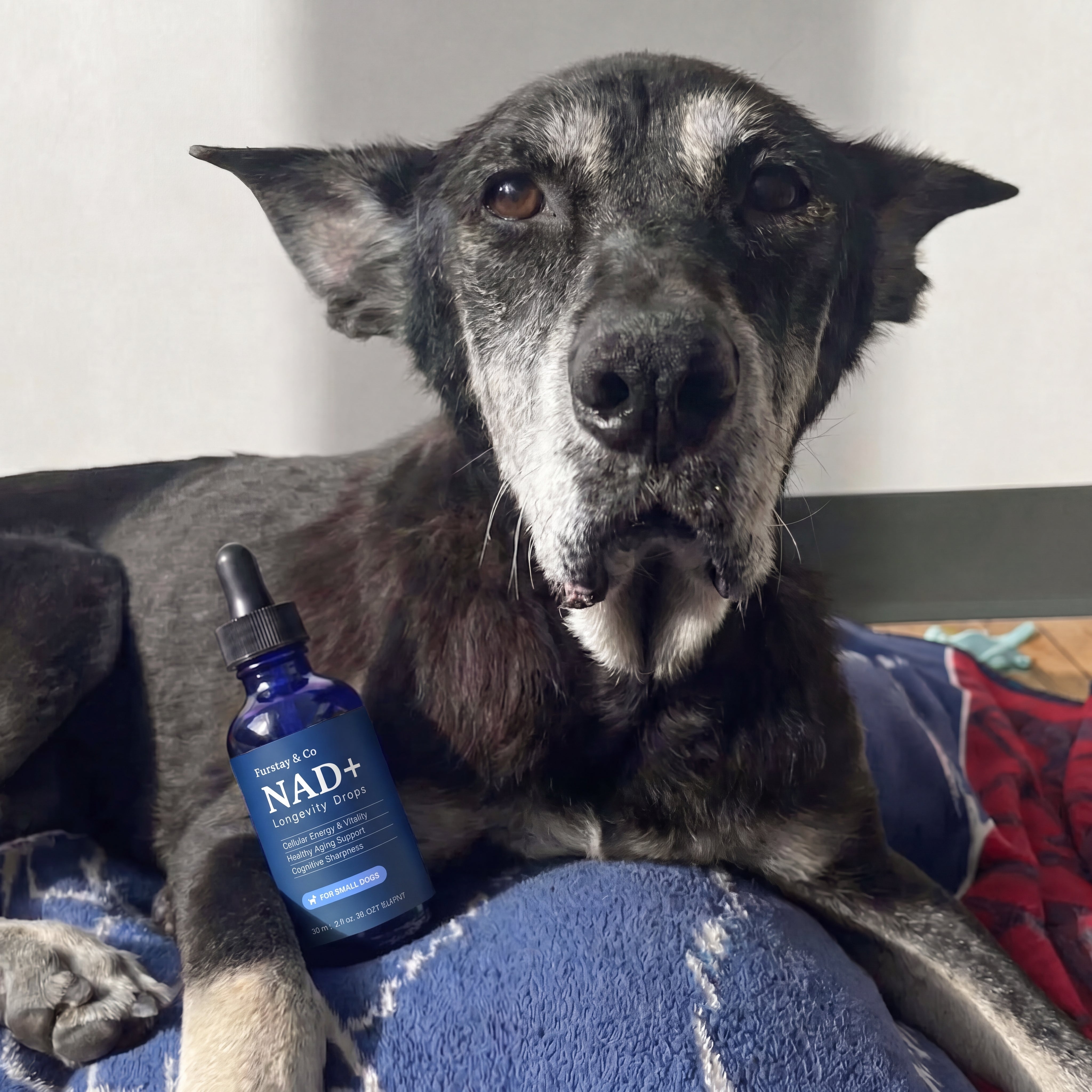
"My almost 15-year-old was showing signs of canine dementia. He is a different dog now. He sleeps through the night, he doesn't wander around aimlessly. It's amazing."


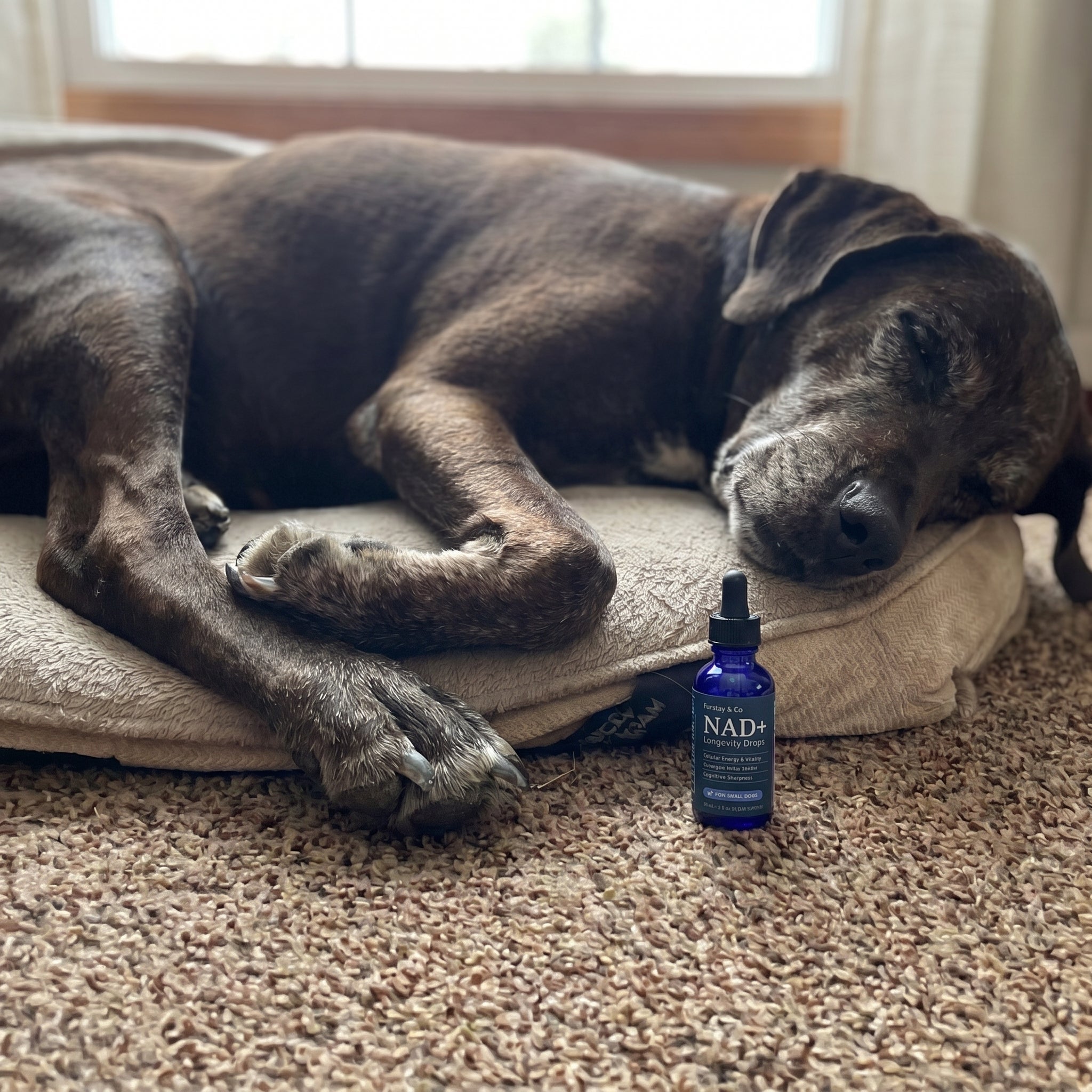
"After only two weeks, this boy remembered his name and sat when I told him. He hasn't done that in one year. He's back to his old self. No more confusion and night terrors."

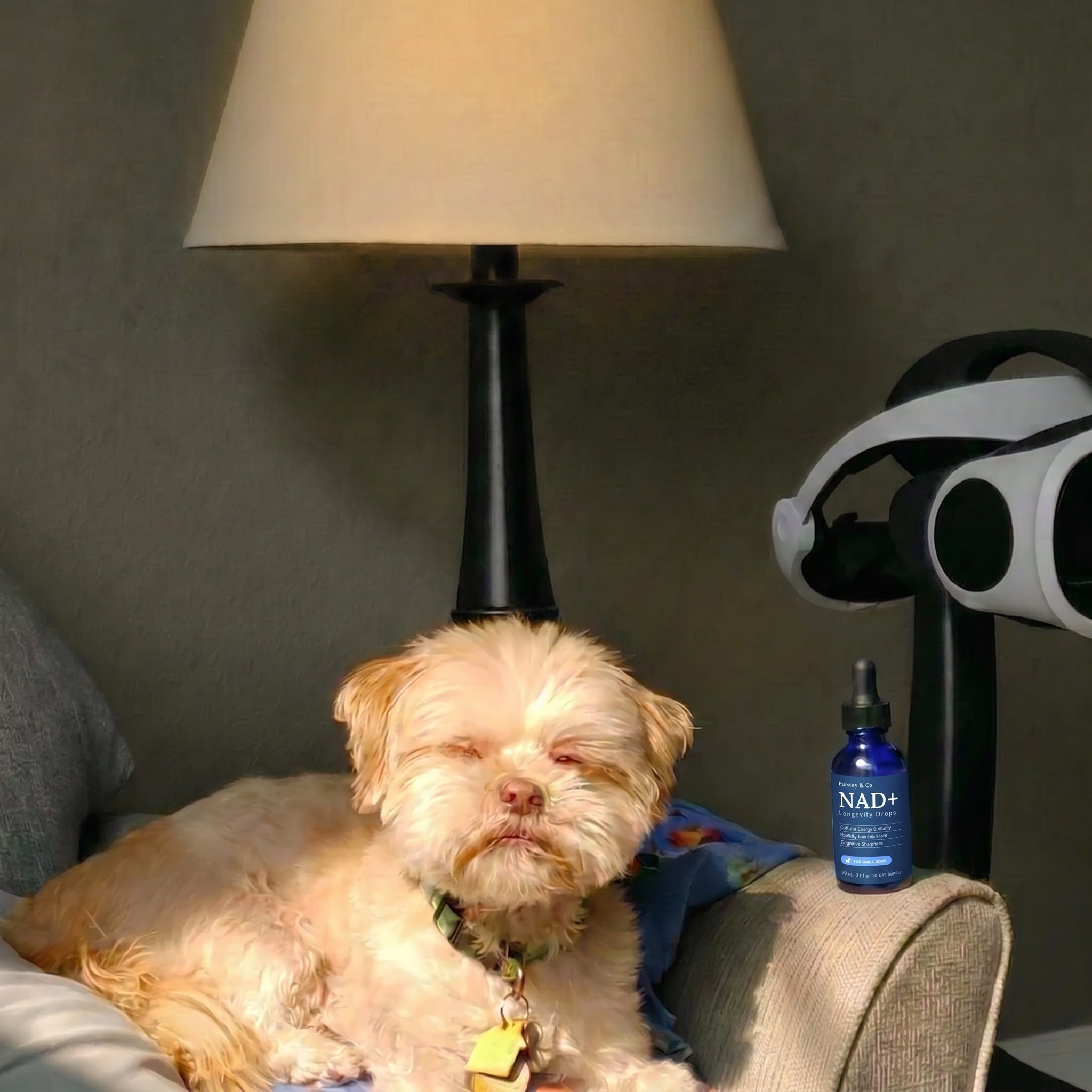
"My 17-year-old Bella remembered who I am after just 6 weeks. She was lost in confusion, staring at walls and barking through the night. Now she's running to greet me at the door again."

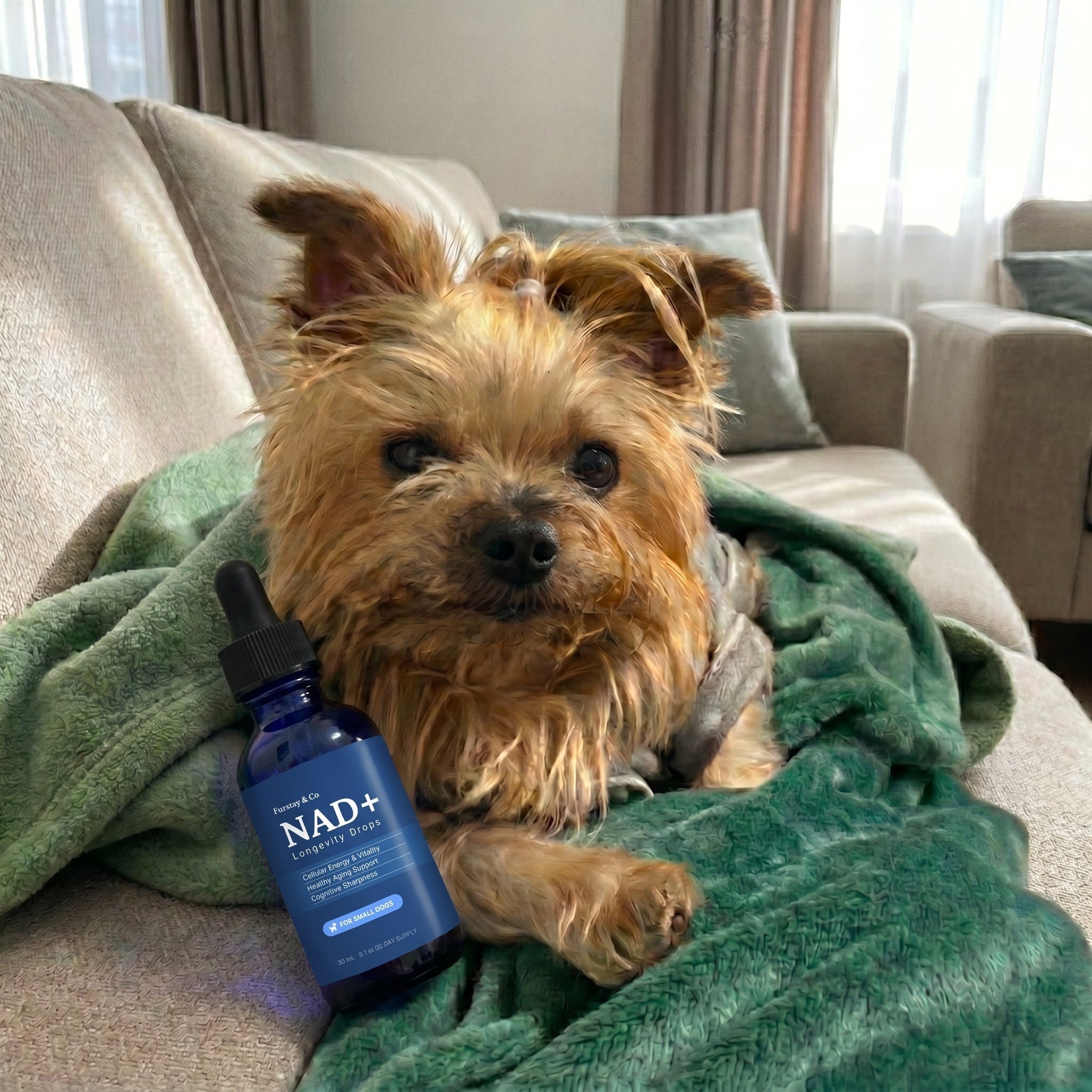
"She's 13, and she'd stand at the wrong door to go outside. Then she started barking at absolutely nothing around 2am. Two months on NAD+ and she actually recognizes me again. I got my girl back."

If Your Dog is Showing These Symptoms Now
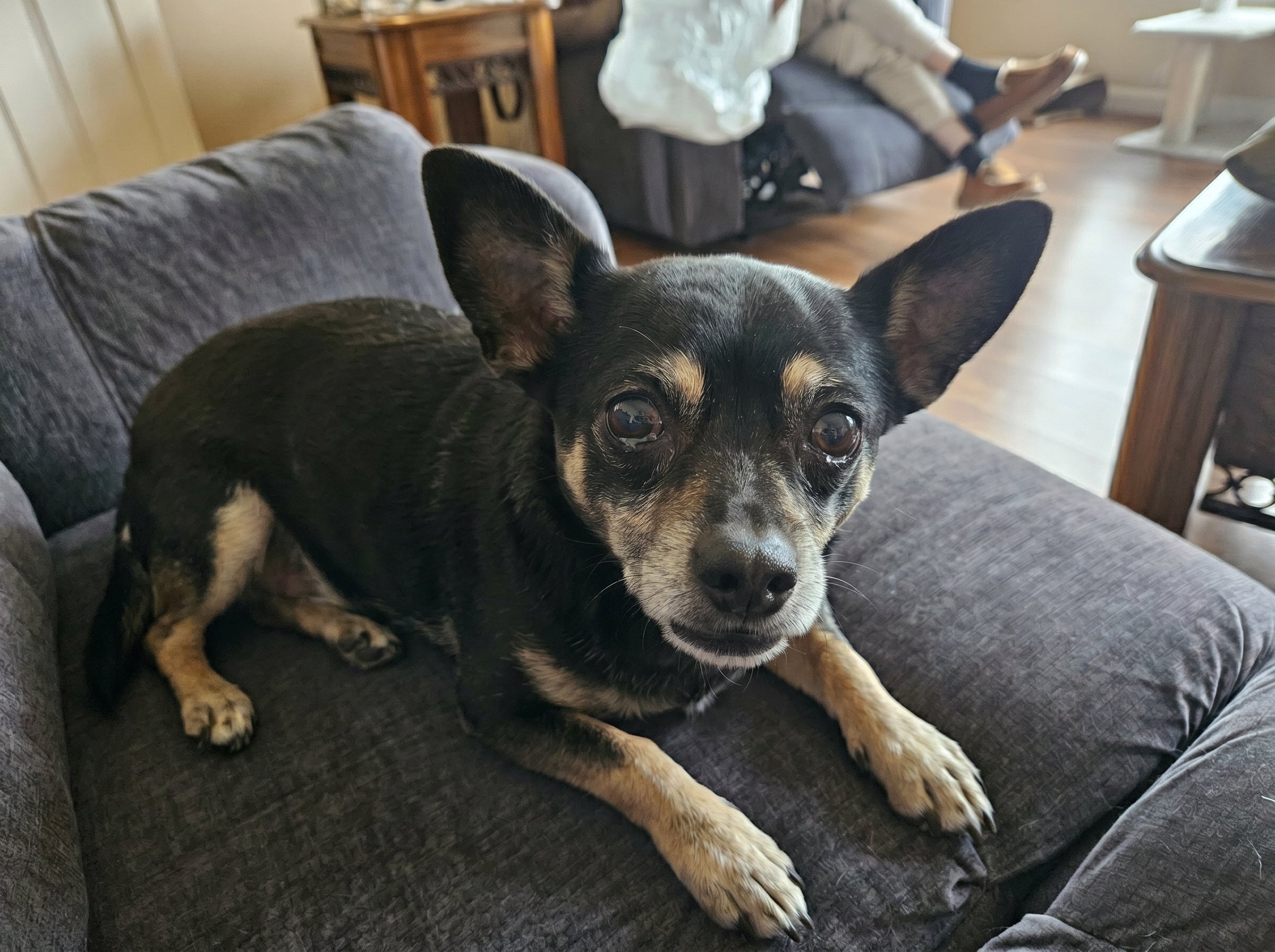
The sundowning. The 2am pacing. Getting stuck in corners. Not responding to his name. Not recognizing you.
The research is consistent: cellular support is the most effective way to treat dog dementia. The earlier is better.
NAD+ restoration won't undo what dementia has already taken. But "no cure" was never the same as "nothing can help."
The owners who found that out almost all say the same thing.
I wish I'd found this sooner.
[See the formula and the research behind it →]
This formula by Furstay & Co is available at furstay.com. 90-day money-back guarantee. Most owners report first changes between weeks 2 and 4.
✅ Veterinarian-Formulated Cognitive Formula
✅ Advanced nanoliposomal delivery for up to 98% absorption
✅ 90-day money-back guarantee
✅ Easy-to-use dropper that mixes with food
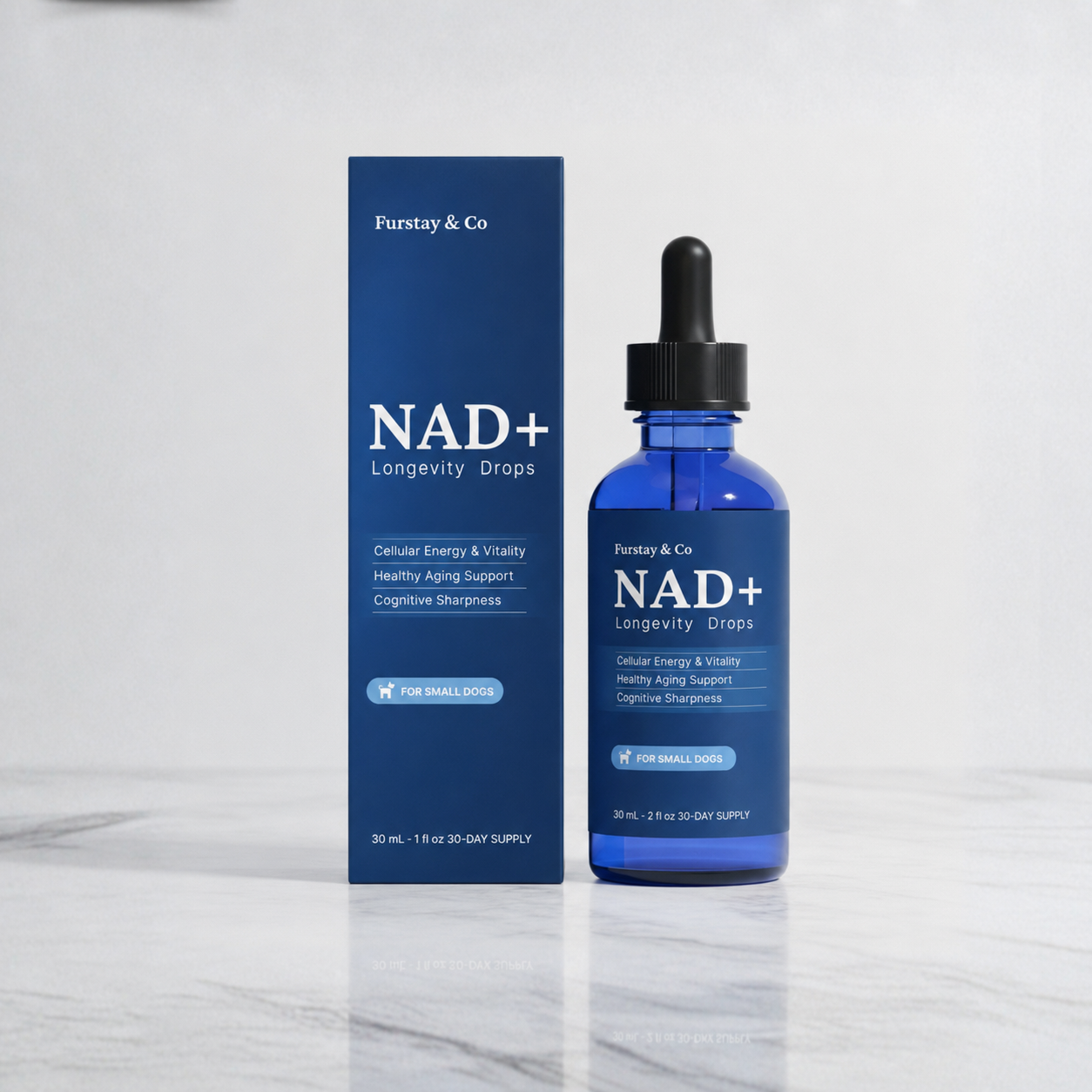
Overall, we believe this product is a no-brainer. The truth is, our dogs give us unconditional love and loyalty every day. It's only fair we give them back their minds in return. If we can stop the heartbreaking slide of dementia, we owe it to them to try.
With Furstay & Co NAD+, you're not just adding a supplement. You're giving back years of recognition, awareness, and the personality you fell in love with. Try it risk-free today and see the cognitive transformation for yourself.

MEDICAL & HEALTH DISCLAIMER: The information and other content provided in this page, or in any linked materials, are not intended and should not be construed as medical advice, nor is the information a substitute for professional medical expertise or treatment.
If you or any other person has a medical concern, you should consult with your health care provider or seek other professional medical treatment. Never disregard professional medical advice or delay in seeking it because of something that have read on this page or in any linked materials. If you think you may have a medical emergency, call your doctor or emergency services immediately.
© 2025 All Rights Reserved. Privacy Policy - Terms of Service
Can anybody vouch for this? My 12-year-old seems to be losing her mind...
This supplement is incredible! My dog was wandering lost in our own house. This brought back her personality completely.
I wish I had found this sooner. My poor boy was so confused before we started this.
Bought this for my wife's dog who had severe cognitive decline. In just weeks she's like a different dog - alert and engaged again.
Hey Sarah, this is what you need instead of those expensive vet visits that don't help"
Yes, I've been using this for months. My dog actually recognizes me again and sleeps through the night. Life-changing.
Just ordered mine! Praying this helps my sweet girl.
I want to try this so bad, ordering as soon as I get paid!